 Computers have come a long way since their early prototypes. The first computers were the size of whole rooms and were used mainly in Government. Over time, as technology progressed, industrial computers were designed for specific uses in different sectors such as automotive, aerospace, marine, oil and gas, mining, and manufacturing.
Today, industrial computers are used in a variety of ways depending on the industry. In the automotive industry, for example, industrial computers are used for design and engineering work, quality control and testing, production management, and fleet management. In the aerospace industry, they are used for design work, simulation and modelling, system engineering and integration, aircraft maintenance and repair, and flight operations.
This article looks at how industrial computing developed and how it’s used across different sectors today. If you’re new to the topic, our guide to what an industrial PC is covers the basics first.
A Brief History of Industrial Computing
 The history of industrial computing is the story of technology evolving to meet the needs of businesses and industry. In the early days of computing, machines were large and expensive, and their use was limited to a few highly specialised tasks. However, over time, computing has become more affordable and accessible, and it is now an integral part of industrial operations around the world.
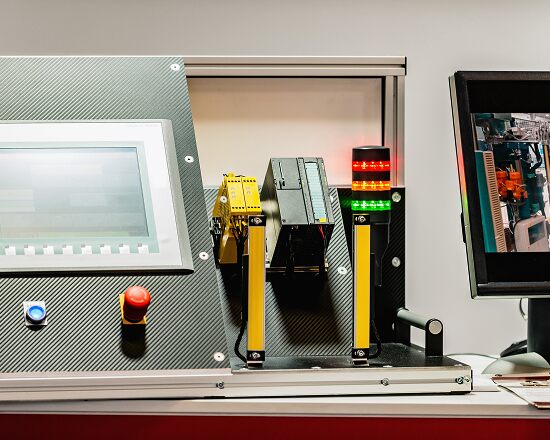
One of the earliest applications of computing in industry was in the area of manufacturing. In the early days of mass production, factories were often inefficient and produced large amounts of waste. To help address these issues, factories began to adopt automated systems that used computers to control the production process. These systems helped to optimise factory operations, reduce waste, and improve product quality.
Computers have also been used extensively in the area of logistics and transportation. For example, modern shipping companies use computer systems to manage their inventory and track shipments around the world. This helps to ensure that goods are delivered on time and without incident.
In more recent years, the industrial computer has also begun to play a role in the area of energy production. For example, oil and gas companies are using computer systems to manage their drilling operations and improve extraction rates. This helps to reduce costs and improve efficiency.
Overall, it is clear that computing has had a significant impact on industrial operations around the world. With its ability to help optimise processes, track shipments, and manage resources, computing has become an essential tool for businesses of all sizes. Thanks to the industrial computer, businesses can now operate in more challenging environments, work more efficiently and produce products of the highest quality.
How Industrial Computers are used in Harsh Environments
 Computers in industry are often subjected to extreme temperatures, either very hot or very cold. In order to protect these systems from the adverse effects of these temperatures, specialised industrial computers have been developed.
In hot environments, an industrial computer needs to be able to dissipate heat effectively. This is often done with fanless designs that use large heat sinks and the enclosure itself to draw heat away, avoiding the dust and failure risk that comes with fans. The internal components are also chosen to be as efficient as possible, so that they produce minimal heat.
In cold environments, an industrial PC needs to be able to operate in low temperatures without freezing. This is done by using specialised components rated for low temperatures, and in some cases insulation and heaters that keep the system warm.
By using specialised industrial computers, businesses can protect their valuable data and equipment from the adverse effects of extreme temperatures.
Wet environments mean that industrial computers are exposed to moisture and humidity, which can damage both the equipment and the data stored on it. Dry environments avoid moisture, but bring their own risk from dust and other contaminants. This is why sealed, IP-rated enclosures are standard on most industrial systems.
How Industrial Computers are Used in Different Sectors
The food and beverage sector is a challenging environment for technology due to the rigorous hygiene and temperature requirements. Industrial PCs for this sector are built to meet these demands, with features such as stainless steel enclosures, anti-bacterial casing and resistance to corrosion. Our fully IP rated panel PCs can withstand high pressure washdowns, making them an ideal choice for busy food production lines.
Power and Utilities:
Industrial computers can play a significant role in the power and utilities sector by helping to increase energy provision and efficiency while protecting the environment. In order to achieve this, it is important to have a clear understanding of the needs of the sector and how industrial computers can help meet those needs. Our team has years of experience in the industry and can provide tailored solutions that meet your specific requirements. We understand the importance of reliability and durability in this sector, and our products are designed to withstand even the harshest environments.
Rail and Transport:
Rail, commercial, and public transport all have their own unique challenges when it comes to technology. This is especially true for the systems that support these areas, like industrial computers. Industrial computers help make these systems more reliable and efficient while also making them safer.
Military, Defence, Marine and Navy:
 At DSL, we have a good reputation for working with many specialist defence contractors in the UK, Europe and beyond. Our work includes providing both commercial off the shelf (COTS) and design solutions that meet the specific demands of military and defence environments. This work has allowed us to become familiar with the needs of these environments, including the need for rugged performance and reliability.
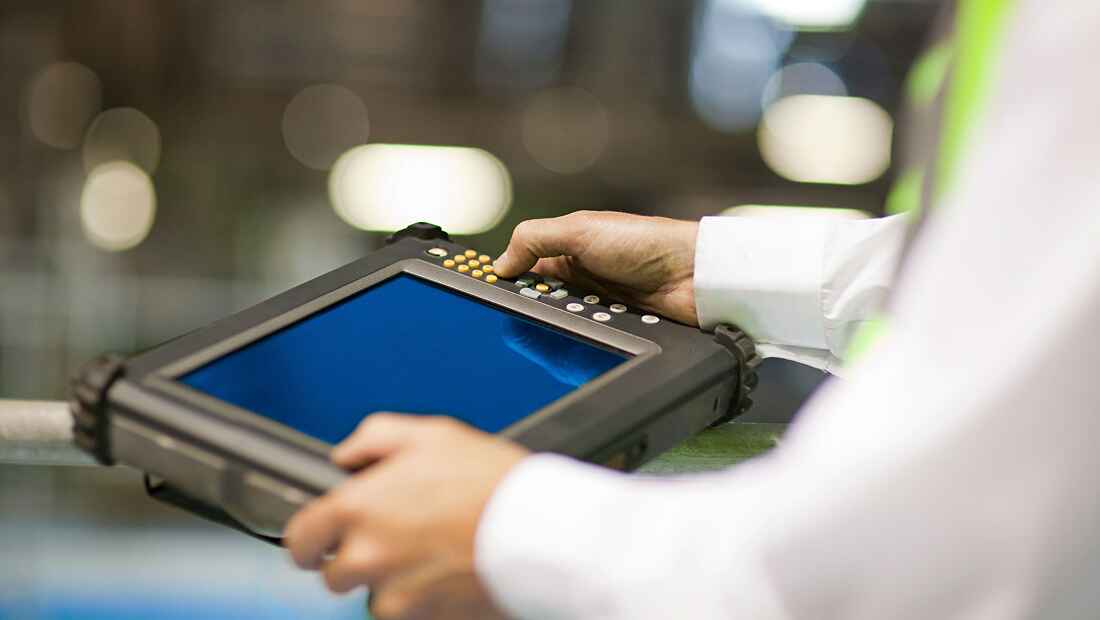
The industrial computer is used extensively in the Navy and Marine environments. They are relied on to provide critical information and support various systems and processes. In order to meet the unique demands of these environments, industrial computers must be able to operate in tough conditions and withstand shocks, vibrations, and other harsh environmental factors.
The Importance of Industrial Computers
By now, you can no doubt see the part that industrial computers play in automating factories and other industrial processes. They keep businesses running smoothly and efficiently. As technology advances, so does the need for more processing power, wireless connectivity, integration with other connected technology, and reliability.
Find the Right Industrial Computer
If you’re looking for a system for your own application, browse our industrial PCs, or see our panel PCs if you need a built-in touchscreen. Every unit is backed by a minimum 5-year operational guarantee.
Not sure which fits? Get in touch and our in-house engineers will help you work it out.