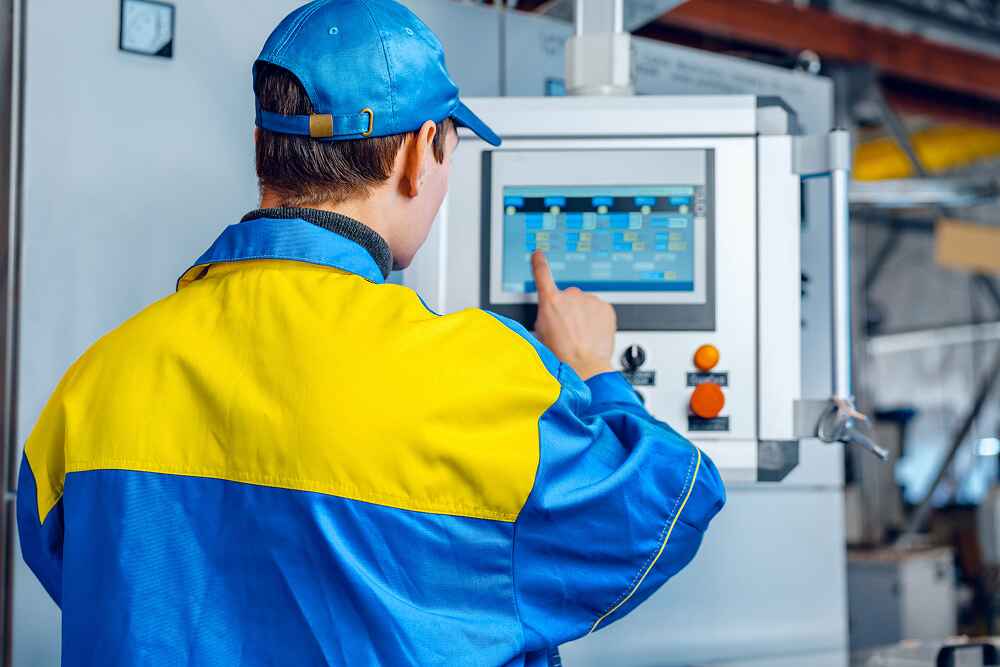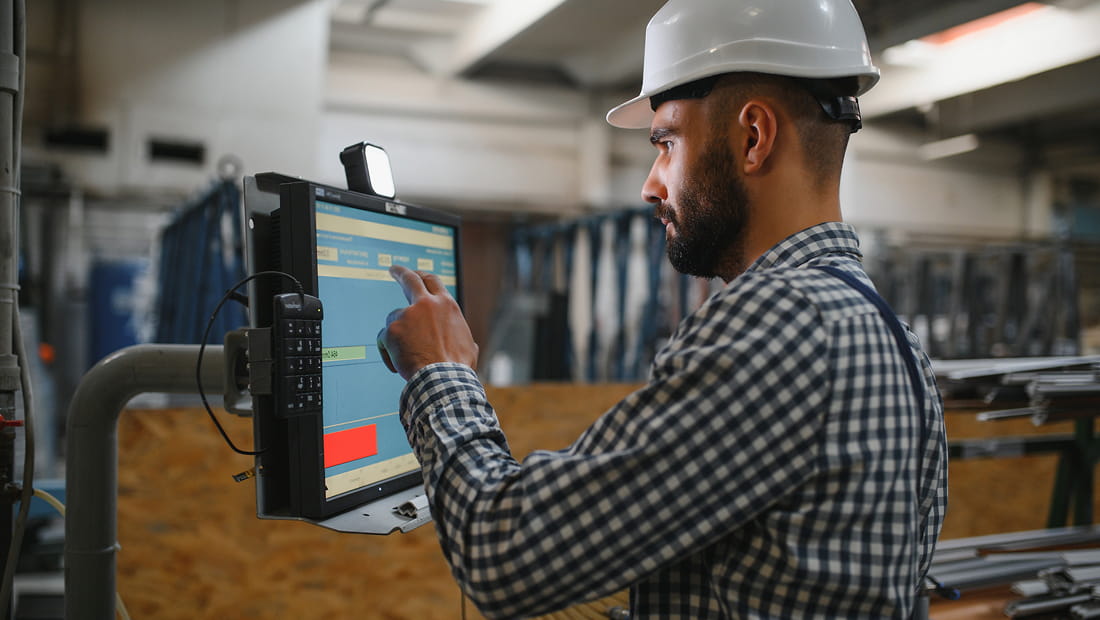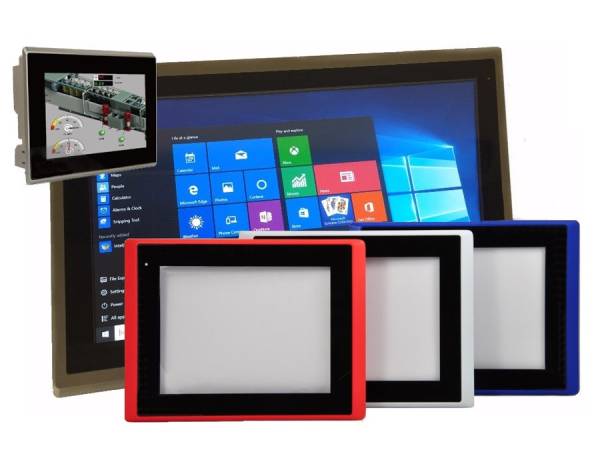

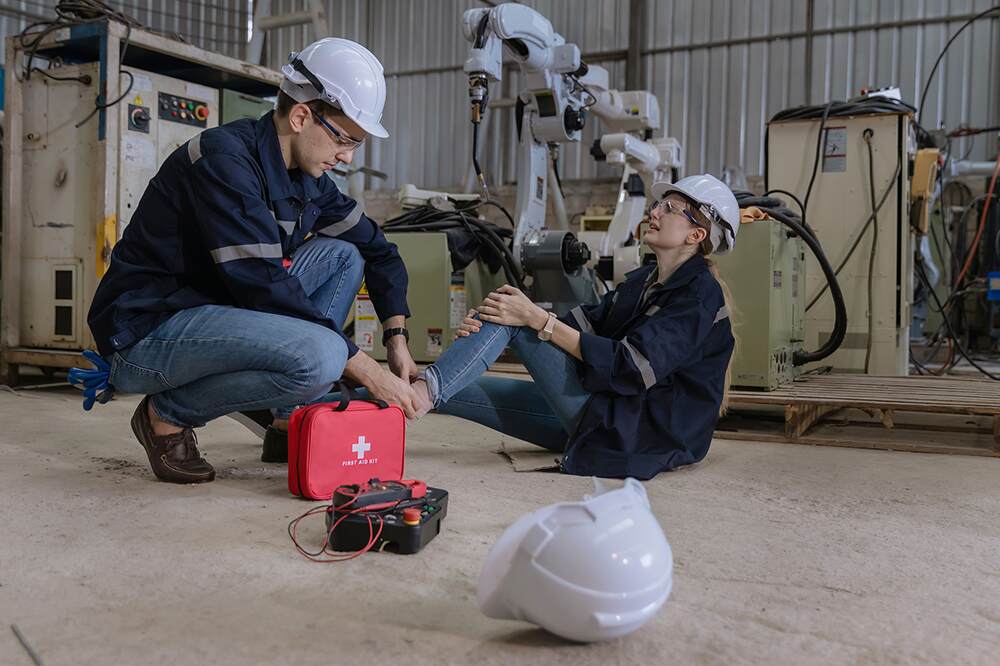
You have run the training. The posters are up. The policy is signed off and sitting in a folder somewhere. And yet the same near misses keep happening on the same lines, and the incident log this year reads much like last year.
This is the quiet frustration behind factory floor safety. Training and safety signage in the workplace tick the boxes, but on their own they do not change what people actually do when they are mid-shift, under pressure, and certain they have done this job a hundred times before.
That gap, between what the rules say and what the floor does when no one is watching, is where a safety culture lives or dies. A real safety culture is not a document. It is a shared habit. It is everyone on site, from the newest starter to the managing director, treating safety as part of the work rather than a box to tick.
Building that habit is the real job. Here is why the usual approach stalls, and what genuinely shifts behaviour on the floor.
The numbers have stopped getting better
It is easy to assume safety is a solved problem in the UK. The long-term trend has been good. The recent picture is less comforting.
In 2024/25, around 680,000 workers were injured at work, and 124 people died in work-related accidents. Injury and ill health cost an estimated 40.1 million working days and roughly £22.9 billion a year. Manufacturing alone accounted for 11 of those deaths.
The worrying part is not the size of the numbers. It is that they have stopped falling. After decades of new laws and awareness campaigns, the injury rate has been flat for years. More of the same is no longer working.
Why posters and training days quietly fail
Most safety messages are built for someone sitting at a desk. On a factory floor, that is the wrong audience.
A large share of factory staff, often more than 80 percent, have no desk, no work laptop, and no reason to check email. So the safety update sent by email or pinned to the break room wall never reaches the person actually running the machine.
There are three deeper problems too:
- Information gets stored where it is convenient, not where the risk is.
- Most messaging is one-way. It tells people something once and assumes they remember.
- Leaders say safety matters, then reward speed and output. People are good at reading the real priority.
This matters because behaviour is where most accidents start. You can remove a hazard, but you cannot remove a bad habit with a poster. Only culture does that. Good workplace safety communication is the first step in changing the habit.
What a real safety culture looks like
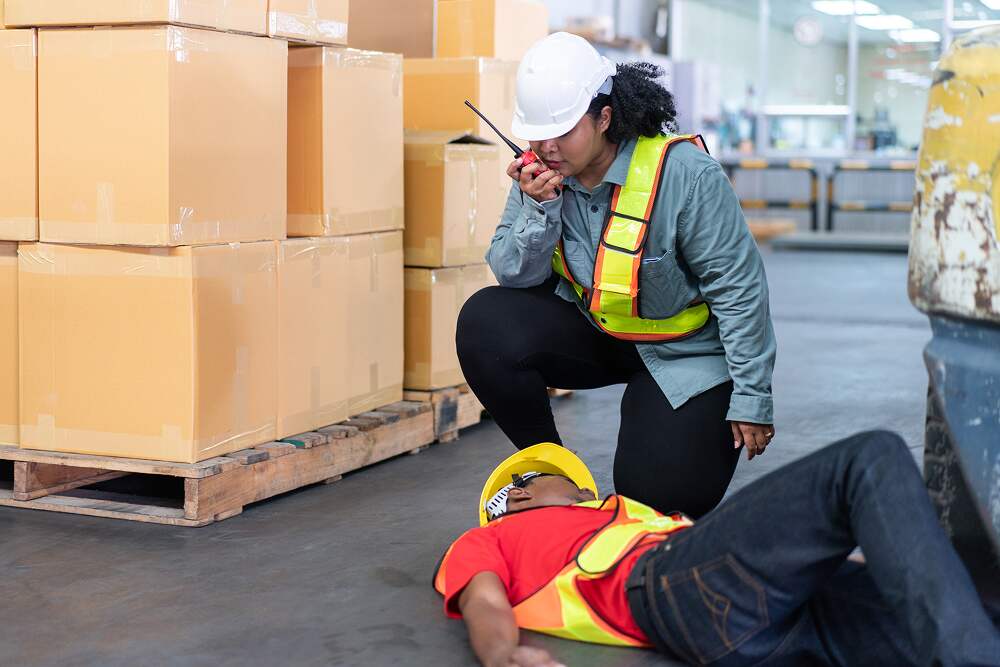
A genuine safety culture has a few features you can spot quickly.
Leaders own it. The best manufacturers now measure managers on safety alongside output, so the two stop competing.
People feel responsible. Workers look out for their own safety and their mates’, and reporting a hazard or a near miss feels normal rather than awkward.
And the right information is visible at the right moment. A warning that has to be hunted down will be ignored. A message that is simply there, all the time, becomes part of how the floor thinks. This is the real aim of safety signage in the workplace: not to decorate a wall, but to keep the right thing in view.
If you want the deeper background on durable kit for these settings, our industrial displays page is a useful starting point.
Make safety impossible to ignore
The simplest tools often do the most work here.
People remember far more of what they see than what they read. One study found people hold on to around 65 percent of information when it comes with a visual, against just 10 percent for plain text. A safety message on a display in the work area lands in a way an email never will.
The “days since last accident” board is the clearest example, and there is a reason it turns up on so many well-run sites:
- It keeps safety permanently in view.
- It gives the team a shared number to protect.
- It turns a vague value into something visible and slightly competitive.
A long run is a quiet point of pride. A reset is a reason to stop and talk about what went wrong.
The catch with old-style boards is that someone has to remember to change the number every single day. Miss a few days and people stop trusting it, which is worse than having no board at all. The fix is to take the manual step out completely. Reliable factory automation follows the same logic: remove the step a busy person will forget.
A board that updates itself
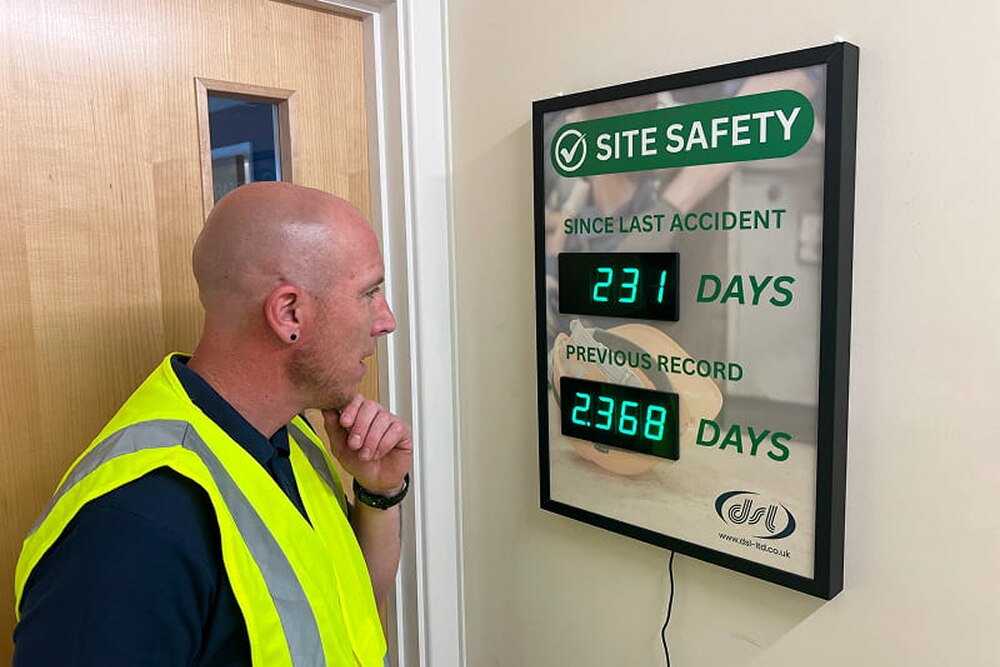
DSL’s Digital Site Safety Board is built for exactly this. The bright LED display counts the days your site has gone without an accident, and it increments the figure automatically every day. There is nothing to update and nothing to forget.
Beneath the live count, it shows your all-time site record as a fixed figure, so the team always has a personal best to beat. The green LED digits are easy to read right across a busy floor.
A few practical points:
- It is hard wearing, at home in a demanding production area or mounted in reception.
- It is wall mounted, portrait, and weighs only 2.5 kilograms, so fitting it is simple.
- It works as a clear safety reminder for staff and a strong signal to visitors that you take this seriously.
Like everything DSL supplies, it comes with a 5-year warranty, well beyond the usual 12 months, backed by over 35 years of UK engineering. It is a modern, dependable replacement for the manual board that always ends up a few days out of date.
Putting it to work on your floor
You do not need to change everything at once. Start where the most people pass most often.
- Mount the board at the main entrance or in the break room first, for the biggest impact.
- Build the rest of your safety messaging around that anchor point.
- Pair the visible count with an easy way for people to report hazards and near misses, and make sure leaders act when they do.
The board keeps safety in view. The reporting habit keeps it honest. Together, that is the beginning of a culture rather than just a policy.
A safety culture is not built in a training room. It is built on the floor, in plain sight, day after day. The right tools simply make it harder to look away. If you want to talk through what would suit your site, request a quote and we will point you in the right direction.